- Home
- Products
- Solutions
- Newsroom
- Support
- About Us
- Contact Us
- Reseller
- Scope
- EN

PRODUCTS
Anti-Drone Radar
Advanced Anti-Drone Radar Systems: Detect, Track, Assess Drone Threats
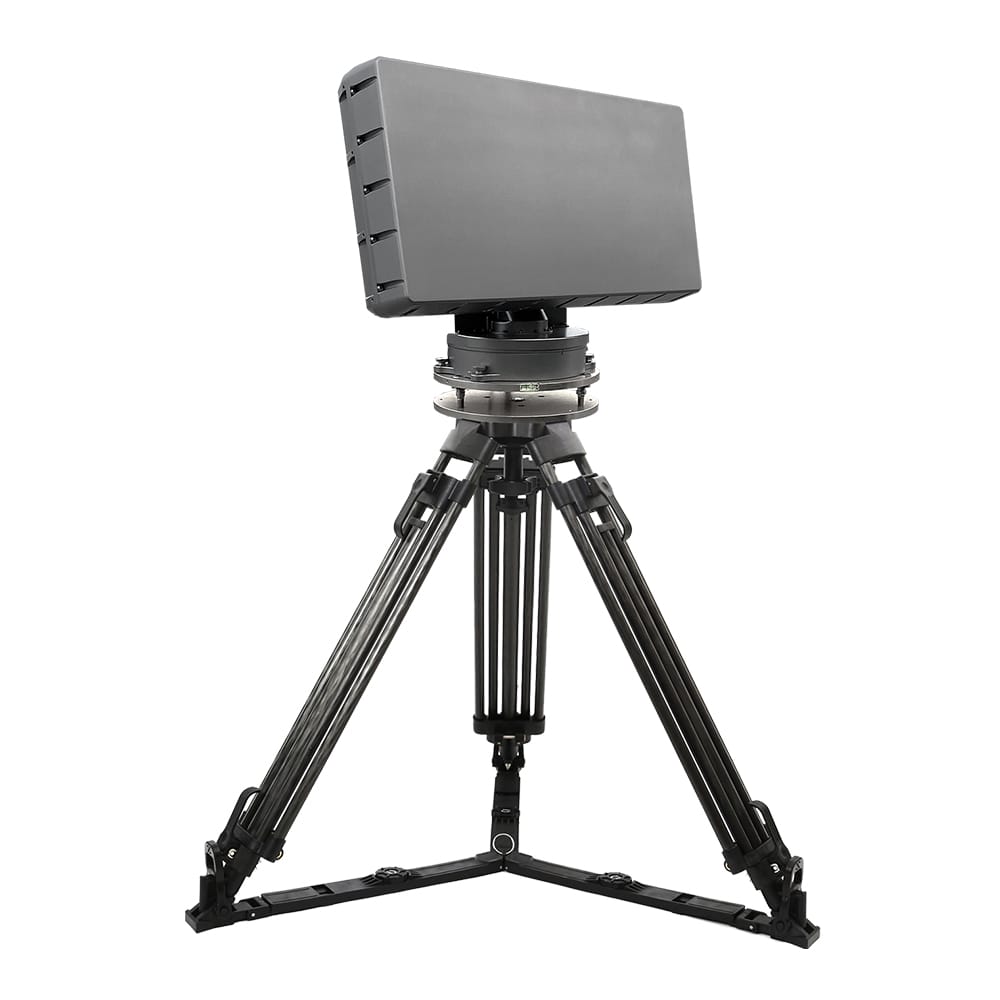
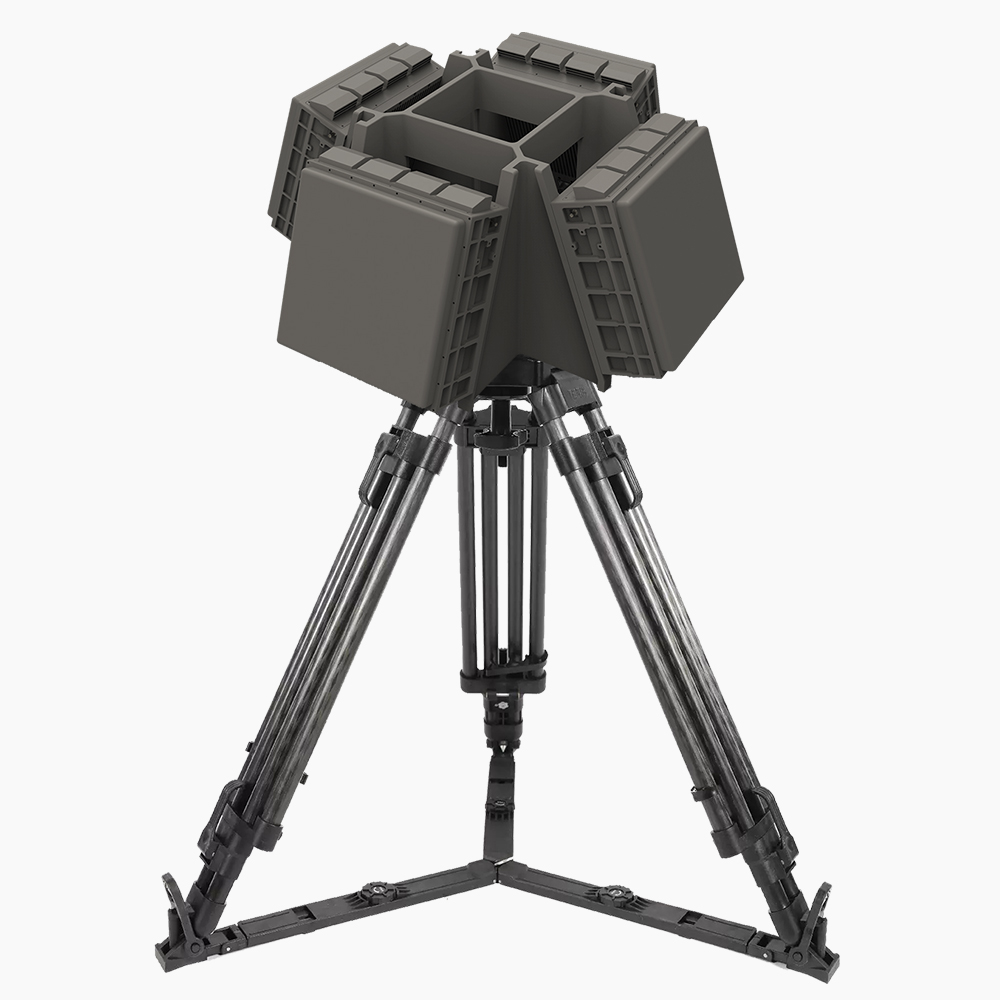
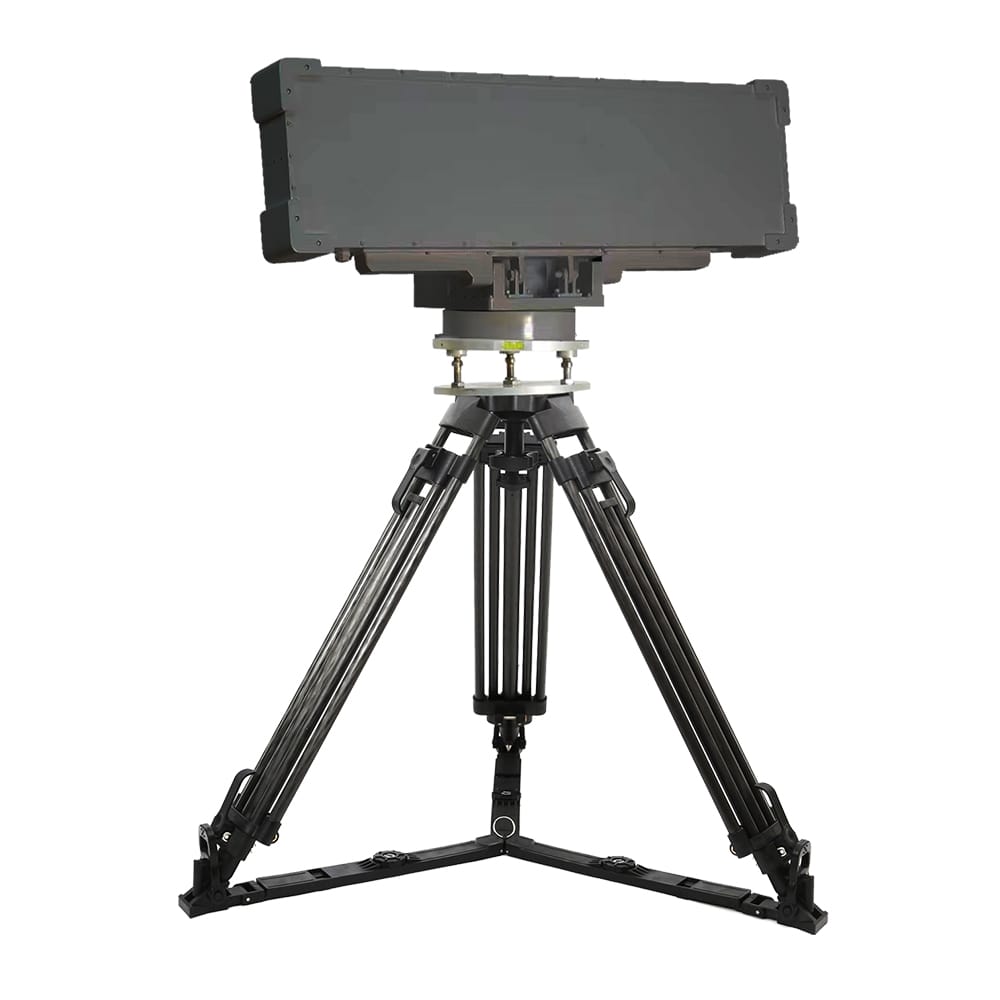
An anti-drone radar is a specialized sensor engineered to detect, track, and classify low-altitude UAV threats. A high-performance drone detection radar system utilizes 3D pulse Doppler technology to deliver persistent surveillance across wide coverage areas. As a proven radar to detect drones, it filters ground clutter, rejects non-UAV signatures, and outputs precise range, azimuth, altitude, velocity, and trajectory data in real time. This enables security operators to identify intruding UAVs within seconds, triggering automated countermeasures before threats reach restricted airspace.
We deliver advanced anti-drone radars that provide 360° airspace security through cutting-edge 3D pulse Doppler technology and intelligent algorithms. Our systems detect and track drones in all weather and lighting conditions, and identify UAVs in cluttered environments with high accuracy. Combined with AI classification, they are engineered to be the superior radars to detect drones in various application scenarios.
Core Anti-Drone Detection Technologies:
- Long-range detection and tracking of a drone with high accuracy and low false rate
- Strong multi-target drone detection capability
- Improved performance by intelligent algorithms
- Centralized command and control with our C2 software
- All-weather adaptability and reliability
Deployment Scenarios:
- Government facilities, airports, bases, critical infrastructure
- Police patrol, border surveillance, VIP protection, event security
Frequently Asked Questions About Anti-Drone Radar
Q1: How does anti-drone radar safeguard low-altitude airspace?
A1: Anti-drone radar employs 3D pulse Doppler technology to detect and track UAVs in real time. It outputs precise coordinates for immediate threat mitigation, ensuring persistent airspace integrity without reliance on visual conditions.
Q2: How does a drone detection radar system differentiate drones from other non-UAV targets?
A2: A drone detection radar system analyzes micro-Doppler signatures from rotating propellers. Advanced signal processing filters ground clutter and non-UAV noise, ensuring high target discrimination with minimal false alarms.
Q3: What frequency band does a radar to detect drones typically operate on?
A3: A radar to detect drones typically operates in the X-band. This frequency range offers an optimal balance between high resolution and compact antenna size, enabling precise UAV detection, extended range, and robust environmental resilience.
Q4: Where are drone detection radar systems typically deployed, and why are they considered essential for those locations?
A4: Drone detection radar systems are most commonly deployed at airports, seaports, nuclear power plants, oil refineries, stadiums, and large-scale public events where controlled airspace must be maintained. These venues face growing risks from unauthorized drone activity, and the radar to detect drones provides the continuous real-time tracking needed to identify and locate intruders before they pose a threat. Compared to optical or acoustic sensors, anti-drone radar offers superior all-weather performance and longer detection range, making it the primary sensor for layered defense in these critical environments.
Drone Detection Radar Systems
Browse our anti-drone radar product details below or get a quote.